All Categories
Featured
Table of Contents
- – Predictive Analytics and the Buying Cycle
- – Data Clean Rooms and Collaborative Growth
- – The Role of AI in Hyper-Personalization
- – Privacy as a Competitive Advantage
- – Lifecycle Marketing in a Cookieless World
- – The Importance of Contextual Advertising
- – The Rise of Voice and Visual Search
- – Looking Ahead: The Future of Consumer Trust
- – Hyper-Local Relevance in a Global Market
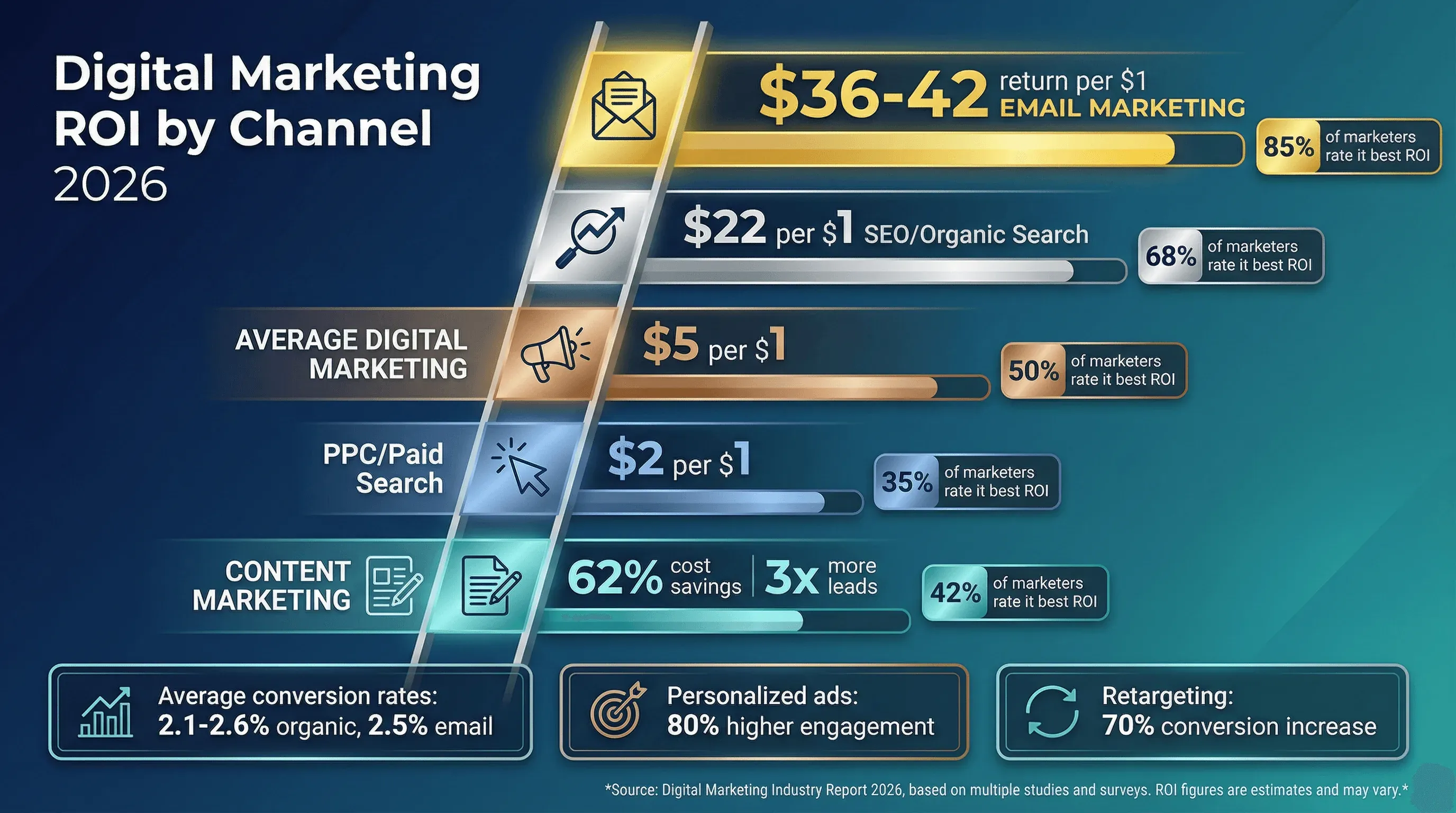
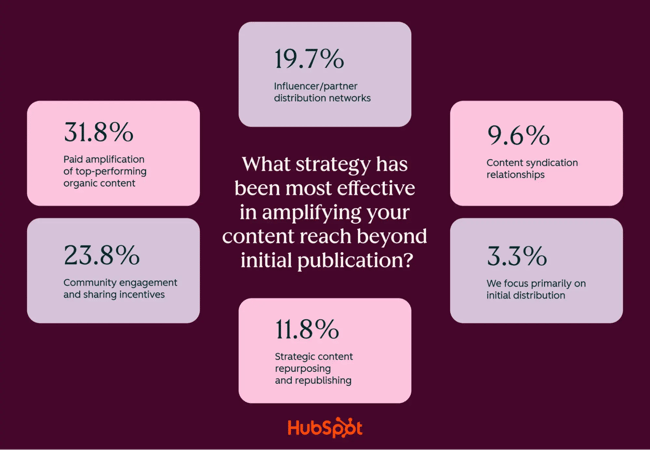

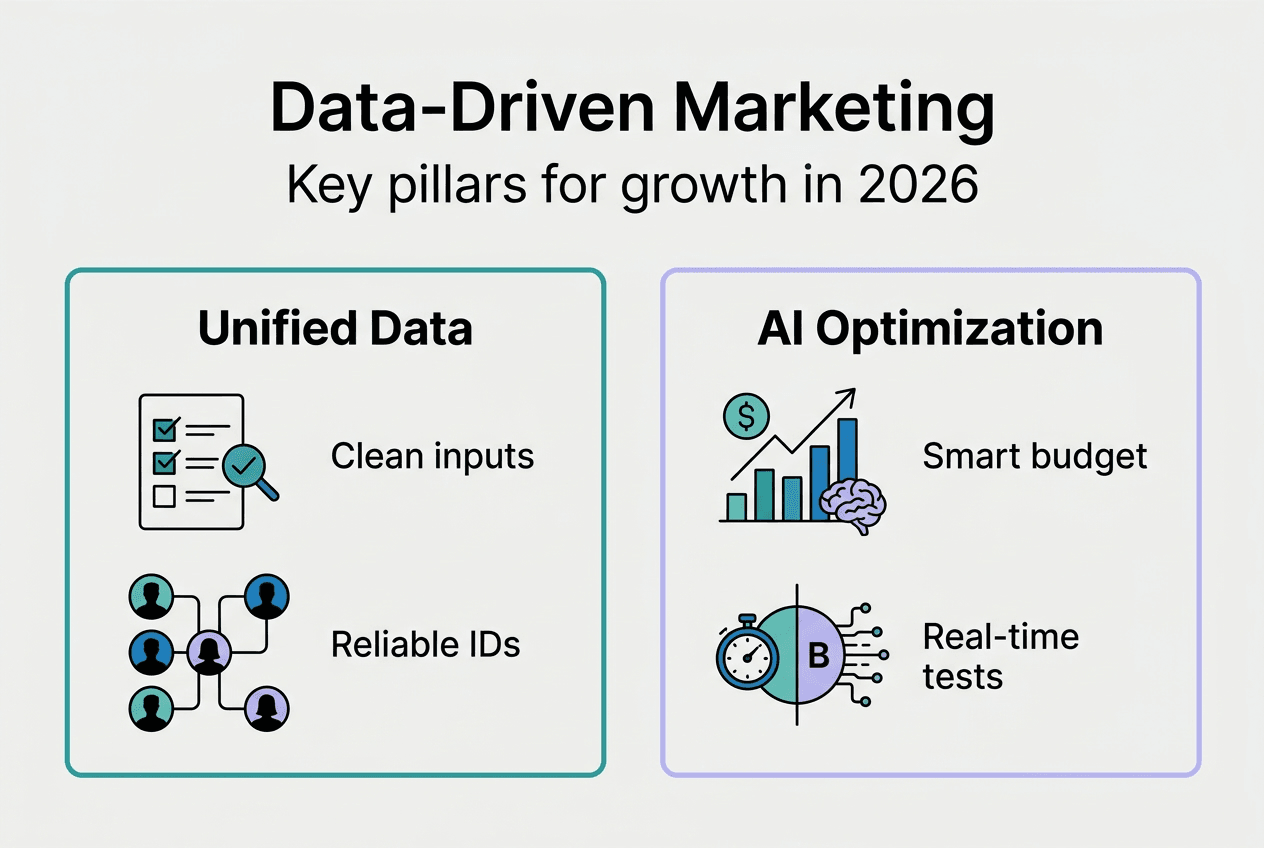
The marketing world has moved past the era of third-party tracking. In 2026, the reliance on browser-based cookies has vanished, replaced by a focus on direct relationships between brands and their audiences. This shift has forced a total rethink of how companies identify and speak to their customers. Instead of following users across the web with invisible scripts, successful organizations now focus on building trust through transparent data collection. This change has led to a more honest form of marketing where consumers know exactly what they are sharing and what they get in return.
Identity resolution now happens within walled gardens and private data environments. Brands use first-party data, which is information collected directly from their own apps, websites, and physical stores. By 2026, the most effective teams have mastered the art of "zero-party data" collection—asking users for their preferences, interests, and intentions in exchange for immediate value. This could be a customized product recommendation, a specialized discount, or access to restricted content. When a user provides this information willingly, the quality of the data is far higher than anything gathered through silent tracking pixels.
Predictive Analytics and the Buying Cycle
Predictive modeling has taken center stage in 2026. Without the ability to track a user's every move on the open web, marketers use machine learning to analyze the data they do have. These models look at past purchase behavior, time spent on specific pages, and interaction patterns to predict future needs. If a customer typically buys a specific item every three months, the system knows to send a reminder or a special offer at the ten-week mark. This level of anticipation creates a sense of being understood without the creepiness of invasive surveillance.
The integration of customized digital engagement into these predictive models allows for a much more nuanced approach to the customer lifecycle. Instead of broad buckets, segments are now fluid and update in real-time. A customer might move from a "casual browser" to a "high-intent buyer" within a single session based on the depth of their interaction with specific content. Current market trends indicate that investment in Cart Recovery correlates with long-term brand loyalty. By focusing on these high-value interactions, companies avoid wasting ad spend on users who have no intention of converting.
Data Clean Rooms and Collaborative Growth
Since third-party data is no longer available, brands have turned to data clean rooms to understand their audiences better. These are secure environments where two or more parties can match their data sets without sharing personally identifiable information. For example, a clothing retailer and a fashion magazine might use a clean room to see how many people they have in common. This allows them to run co-marketing campaigns that are highly targeted but completely private.
In 2026, these collaborations are a standard part of growth strategies. They provide a way to gain insights into customer behavior outside of a brand's own properties without violating privacy laws. Many regional directors find that Engaging Welcome Emails offers the most reliable return on ad spend when paired with these collaborative data sets. This method ensures that the marketing remains relevant while respecting the boundaries that consumers have set.
The Role of AI in Hyper-Personalization
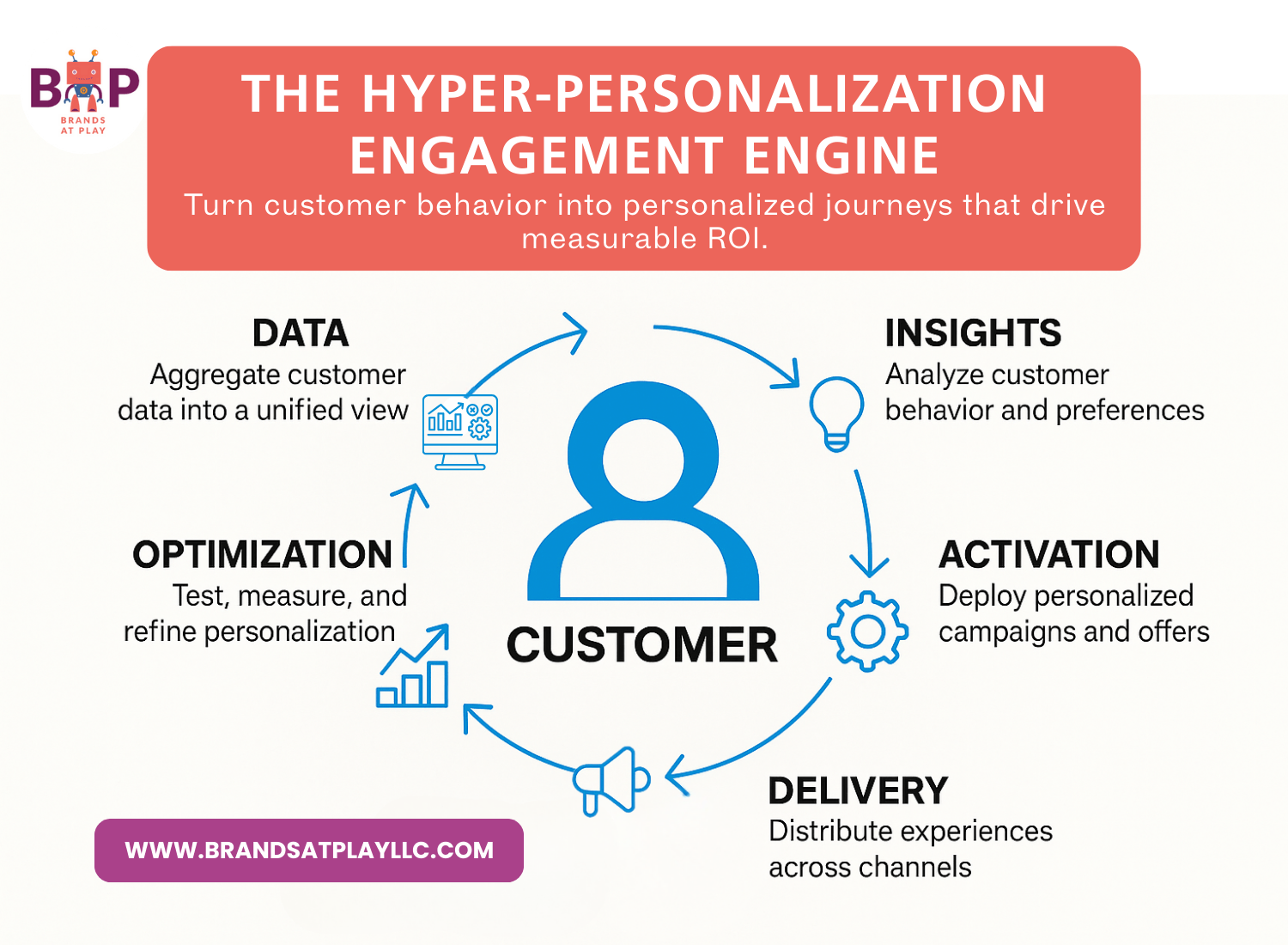
Artificial intelligence in 2026 is no longer a buzzword but a core part of the marketing stack. It handles the heavy lifting of content generation and distribution. Dynamic creative optimization allows a website to change its layout, imagery, and copy for every individual visitor. A person interested in outdoor gear sees mountains and hiking boots, while someone looking for city wear sees urban streets and sneakers. This happens instantly, powered by AI that processes first-party signals the moment a user lands on the page.
This automation extends to multi-channel communication efforts. Email and SMS are no longer static. They are generated at the moment of send, using the most recent data available. If a customer just looked at a specific product five minutes ago, the email they receive will reflect that interest. This real-time response rate is what separates the leaders from the laggards in the 2026 market.
Privacy as a Competitive Advantage
In the current year, privacy is not just a legal requirement but a selling point. Brands that are clear about their data policies and give users total control over their information are winning the most market share. Consumers are savvy. They know their data has value, and they are only willing to trade it with companies that prove they can keep it safe and use it responsibly. This has led to the rise of "privacy-first" marketing, where the default setting is no tracking at all until a user opts in.
Marketing teams now work closely with legal and security departments to ensure every touchpoint is compliant with the latest regulations. This focus on safety has actually improved the quality of marketing. When brands cannot rely on broad-reach tracking, they have to work harder to create content that people actually want to see. The result is a less cluttered digital experience for everyone. Organizations seeking Launch Strategy for New Products have turned to first-party data strategies to maintain their edge while staying within these strict privacy boundaries.
Lifecycle Marketing in a Cookieless World

The customer lifecycle is no longer a straight line from awareness to purchase. It is a continuous loop of engagement. In 2026, the goal is to keep the conversation going long after the first transaction. This involves using loyalty-focused programs to reward continued interaction. Brands track things like "time since last login" or "frequency of app usage" to trigger re-engagement campaigns.
If a user starts to drift away, the system notices the change in pattern and acts. This might be a personalized check-in or an offer based on their previous favorites. The key is that these actions are based on the relationship the brand has already built with the person. It feels like a natural extension of the service rather than an unwanted intrusion. This focus on retention is far more cost-effective than constantly trying to acquire new customers in a high-cost advertising environment.
The Importance of Contextual Advertising
With the death of behavioral tracking, contextual advertising has made a massive comeback. This involves placing ads based on the content of the page rather than the history of the person reading it. If someone is reading an article about home renovation, they see ads for power tools and paint. It sounds simple, but in 2026, the technology behind this is highly sophisticated. AI can analyze the sentiment and specific sub-topics of an article to place the most relevant ad possible.
Contextual targeting is resilient because it does not rely on personal data. It works just as well for a first-time visitor as it does for a long-term subscriber. This makes it a stable foundation for any growth strategy. By combining contextual relevance with the first-party data they do have, brands can create a comprehensive view of their audience without ever needing a cookie. This balanced approach is the hallmark of a successful 2026 marketing plan.
The Rise of Voice and Visual Search
By 2026, how people find information has changed. Voice assistants and visual search tools are now primary ways to interact with the internet. Hyper-personalization has to adapt to these formats. When someone asks their smart speaker for a recommendation, the answer needs to be filtered through their known preferences and past history. A "one size fits all" response is no longer acceptable.
Visual search allows users to take a photo of an item and find it online instantly. For marketers, this means ensuring their product data is clean and accessible to these AI-driven search engines. Personalization here might mean showing the item in the user's size or preferred color based on their profile. The more integrated these services are, the smoother the experience for the consumer.
Looking Ahead: The Future of Consumer Trust
As we move through 2026, the relationship between brands and consumers will continue to evolve. The companies that succeed will be those that treat data with the respect it deserves. Hyper-personalization is a powerful tool, but it must be used to provide genuine value. If a customer feels like they are being manipulated, they will take their data elsewhere. There are more choices than ever, and switching costs are low.
The focus on ethical data usage is becoming a standard part of brand identity. Marketing is no longer about tricks or hidden tracking; it is about providing a service that is so good that customers want to stay connected. This shift has made the industry more difficult for those who relied on old-school tactics, but it has opened up huge opportunities for those willing to innovate. In 2026, growth is driven by the strength of the direct connection between a brand and its audience, built on a foundation of trust and mutual benefit.
Hyper-Local Relevance in a Global Market
Even as brands operate on a global scale, the demand for local relevance has never been higher. People want to feel that a brand understands their specific environment and community. In 2026, hyper-personalization includes geographic and cultural nuances that go beyond just a zip code. Using localized content delivery, companies can tailor their messaging to reflect local events, weather patterns, or regional slang.
This local touch makes a global brand feel like a neighbor. It builds a level of rapport that generic, worldwide campaigns can never achieve. By using first-party location data—shared voluntarily by the user for things like finding the nearest store—marketers can provide updates that are actually useful. Whether it is a notice about an in-store event or a weather-appropriate product suggestion, these small touches contribute to a much stronger overall lifecycle strategy. Success in 2026 requires a balance of high-tech automation and a high-touch human feel that respects the individual's context and privacy.

Table of Contents
- – Predictive Analytics and the Buying Cycle
- – Data Clean Rooms and Collaborative Growth
- – The Role of AI in Hyper-Personalization
- – Privacy as a Competitive Advantage
- – Lifecycle Marketing in a Cookieless World
- – The Importance of Contextual Advertising
- – The Rise of Voice and Visual Search
- – Looking Ahead: The Future of Consumer Trust
- – Hyper-Local Relevance in a Global Market
Latest Posts
Defining Community-Led Growth in 2026
Anticipating Consumer Behavior with Data Strategy Tools in 2026
Anticipating Consumer Behavior with Data Strategy Tools in 2026
Latest Posts
Defining Community-Led Growth in 2026
Anticipating Consumer Behavior with Data Strategy Tools in 2026
Anticipating Consumer Behavior with Data Strategy Tools in 2026